

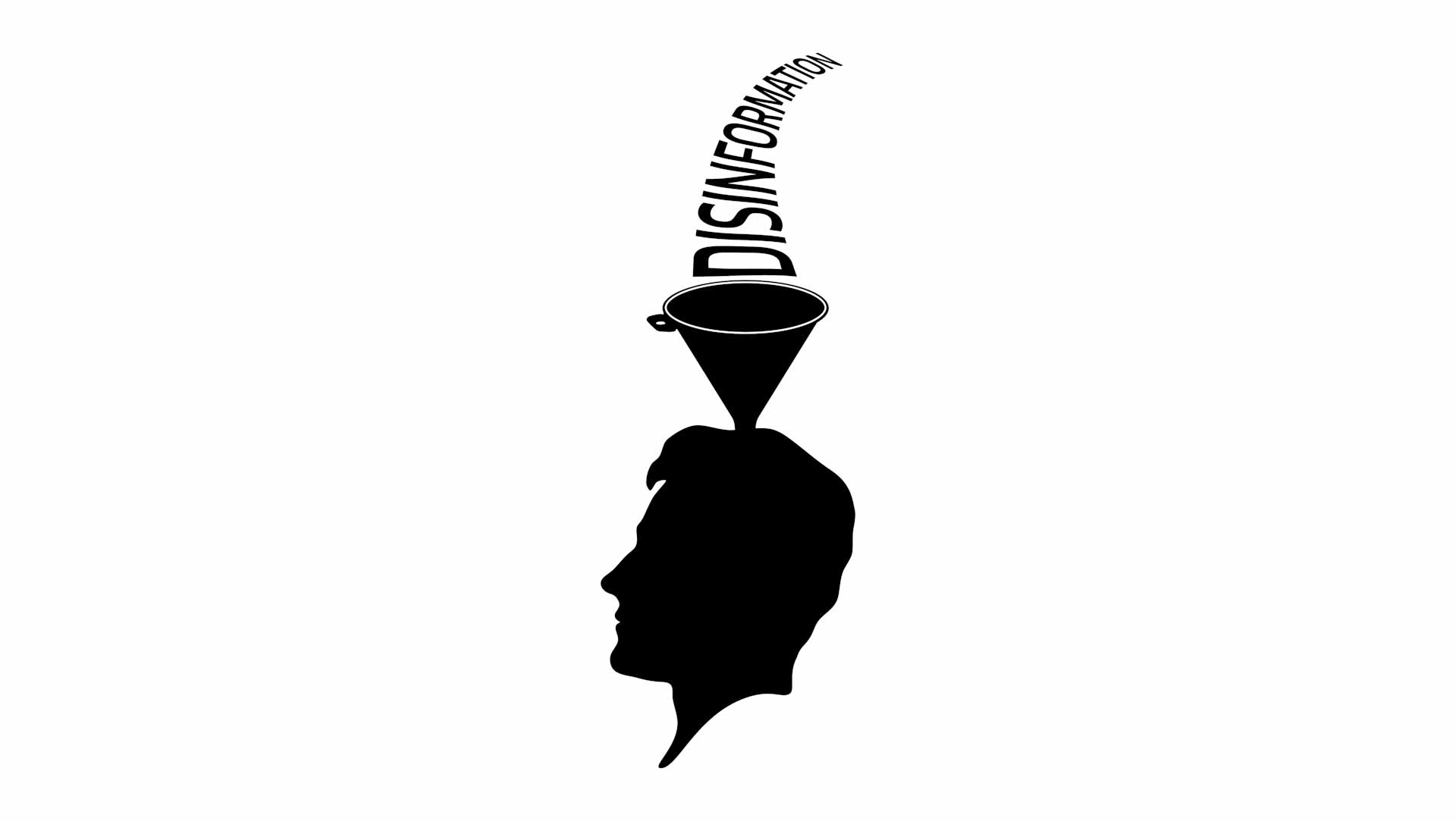
At the Academy meeting on April 15, member Fredrik Peedu carried out his opening speech followed by a speech by senior researcher Carl Heath at RISE (Research Institute of Sweden). The gathering then concluded with a seminar on the subject. Below, the speakers summarize their speeches.
Summary of Member Fredrik Peedu's speech
NATO (Allied Command Transformation) has developed a concept for cognitive warfare (Cogwar) which was adopted by the NATO Military Committee in June 2025. This defines and problematizes both the meaning of the concept and the consequences for NATO and the 32 allied states. The concept lists concrete shortcomings, the objectives of our adversaries; but also a series of recommended measures for member states to plan, resource and implement in the short and long term.
Cognitive warfare has been described and fought in various forms as far back in history as written sources exist. Sun Tzo clearly formulated theses about cognitive warfare 2500 years ago.
What is new and what makes cognitive warfare both dangerous, relevant and a concern for Sweden and NATO, in this moment, is the incredibly rapid technological development in artificial intelligence (AI). During Carl Heath's practical AI demonstration, directly following Fleet Admiral Fredrik Peedu's opening speech, it became obvious to everyone who attended the gathering that the cognitive dimension in many ways proves that the pen is not only sharper than the sword, but in many respects IS the sword. With this in mind for upcoming decisions on further defense investments, there is much to suggest that it is not another submarine, mechanized brigade or fighter aircraft division that provides the best marginal benefit.
Fredrik Peedu is a Fleet Admiral, the Swedish Armed Forces' Chief of Communications and a member of KKrVA.
Summary of Carl Heath's speech
My speech was based on a Swedish government report on psychological defense from 1953, which stated that “the front line runs figuratively in the consciousness of every individual citizen.” Seventy-three years later, that formulation has not lost its relevance. It has just gained more arenas.
Today, Russia operates systematically in the cognitive domain with a playbook that ranges from amplifying polarization and spreading threats and hatred to using AI-generated content in large-scale influence operations. Deepfakes that three years ago required days to produce are now created in seconds. AI-generated clips are being spread through social media with the aim of undermining support for Ukraine and trust in democratic institutions in the West. The techniques are well-documented, from coordinated campaigns of the type that have gone by the name of Doppelgänger to targeted operations against individuals.
In my work at RISE, within the framework of Swedish support through the Psychological Defense Agency, I work directly with Ukrainian authorities and security services. We have developed new training and exercise methods to address hybrid threats and built technical capabilities in AI and automation that make it possible to monitor, analyze and act at the speed that the cognitive domain today requires.
But the speed of technological development means that we must change more than the tools. Working methods, methods and organization need to keep up. And we must be able to operate across the full range of threats. For too long, we have seen the cognitive dimension almost exclusively from a defensive perspective. That is not enough. We need the ability to defend and to operate, to degrade the adversary's capacity to influence us, within the framework of the rule of law we defend.